

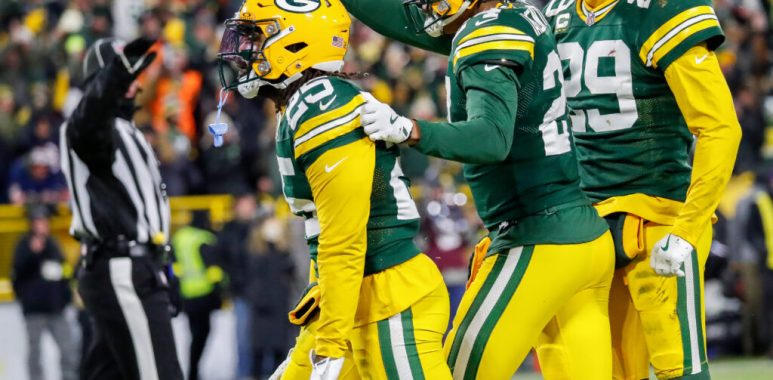
Could The Packers Actually Be Sold? Reporter’s Idea Sparks Huge Debate
This article was originally published on Total Pro Sports.
The Green Bay Packers have long stood apart as the NFL’s only publicly owned franchise. But could that be about to change?
One prominent league reporter reckons that the unique model could eventually face pressure if financial trends continue.
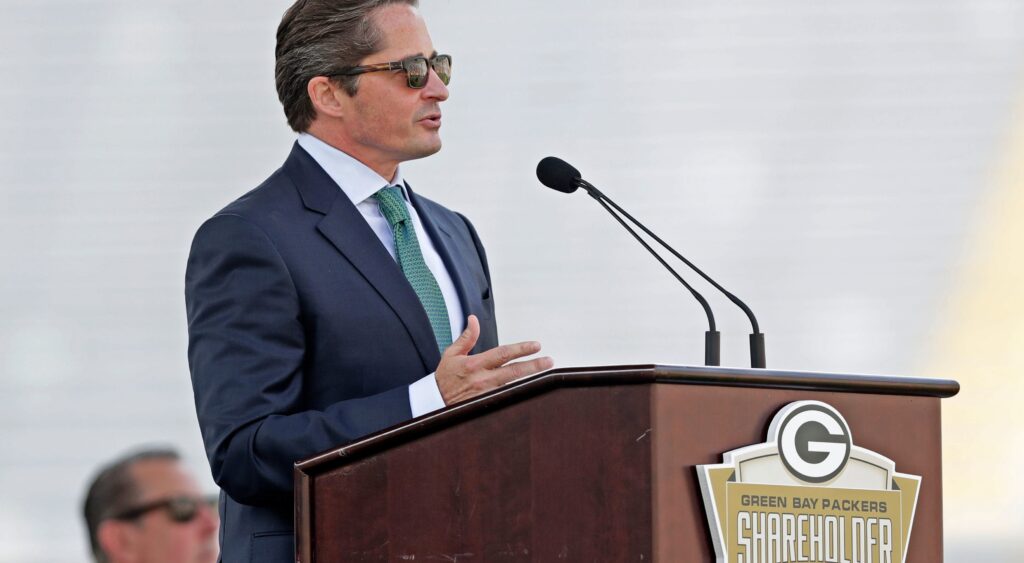
The discussion resurfaced after the Packers released their annual financial report on Friday. CEO Ed Policy acknowledged earlier this year that Green Bay lacks the same fundraising options available to privately owned franchises.
“It’s like other teams have access to this ATM machine that we just don’t have right now,” Policy said back in March.
“We’re going to have to be more aggressive with revenue generation going forward,” he added. “We all know the cost of competing in the NFL is going up, and other teams have access to capital sources that we just don’t have.”
Policy explained that other teams can sell minority ownership stakes to raise hundreds of millions of dollars while retaining control. Green Bay cannot use that strategy because of its ownership structure.
Mike Florio Floats Major Ownership Change Amid Green Bay Packers Financial Concerns

Despite his concerns, Policy stressed the franchise remains financially healthy in both the short and medium term. He added that the organization is closely monitoring long-term challenges across the league.
Pro Football Talk’s Mike Florio suggested several ways the Packers could increase revenue. Those ideas included selling naming rights to Lambeau Field or raising ticket prices for the team’s famously long season-ticket waiting list.
Florio also proposed a far more dramatic solution.
“Or they need to stop being a corporation and sell the franchise to a multi-billionaire who grew up with a Cheesehead covering their scalp,” he noted via ProFootballTalk.
That suggestion remains purely speculative. NFL rules currently prohibit a sale under the Packers’ corporate structure, and any change would require significant legal and league approval.
For now, Green Bay remains committed to its community-owned model while exploring other ways to remain financially competitive.


