

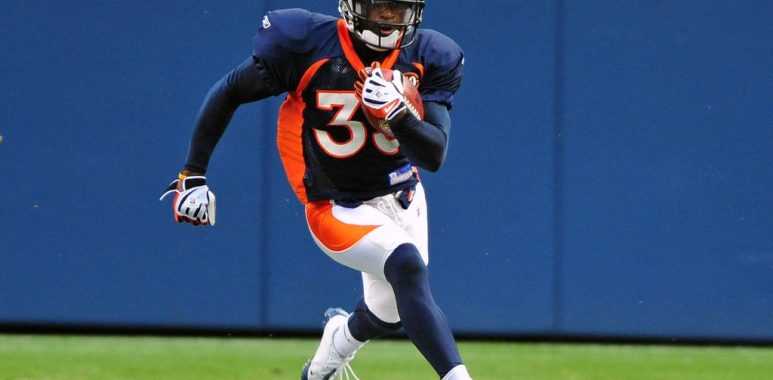
Former Broncos 37th Overall Pick’s Family Fears CTE After His Final “I Am the WORST” Post Prior To His Death
This article was originally published on Total Pro Sports.

Former NFL cornerback Alphonso Smith Jr. died by suicide in Florida on September 2, 2026.
Initially, the former NFL cornerback built a memorable football legacy by starring at Wake Forest University and later playing for the Denver Broncos and Detroit Lions. However, behind his athletic success, Smith was privately struggling with severe personal and mental health challenges.
Everything he was going through culminated in him taking his own life.
Alphonso Smith Jr. Says He Was Fighting Demons

Shortly before his death on a Wednesday afternoon, he published a deeply troubling and emotional final message on Facebook. In this post, he explicitly detailed his internal battles.
He stated that he was trying to fight “demons” and lamented that he had needed help but did not receive it. Smith used the platform to express deep remorse. while apologizing to his children, family, and friends for the disappointment and hurt he believed he had caused.
As a result of his escalating crisis, emergency deputies responded to a call regarding a suicide attempt at a housing community in Pahokee. Subsequently, he was rushed to a local hospital, where he ultimately succumbed to his injuries.
“We Think It’s a Factor”: Family Ties Alphonso Smith Jr to Possible CTE

The family of Alphonso Smith Jr. heavily suspects that Chronic Traumatic Encephalopathy heavily impacted his mental state. Smith spent years absorbing repetitive head impacts while playing as an elite football cornerback in the league.
Consequently, these frequent hits can cause progressive brain damage that severely affects behavior and emotion. Furthermore, the family noticed severe changes in his personality and sudden emotional struggles before his death.
Specifically, his final social media message detailed intense internal battles against inescapable “demons.” In addition, deep depression, paranoia, and severe mood swings are classic symptoms often associated with advanced CTE.
Because of those reasons, the family linked his drastic behavioral changes directly to the neurological damage sustained on the field.
‘His brain is being studied for CTE. We think it’s a factor,’ his younger brother Alkevius Smith confirmed. Ultimately, they seek a formal brain autopsy to definitively prove that CTE caused his emotional collapse.


