

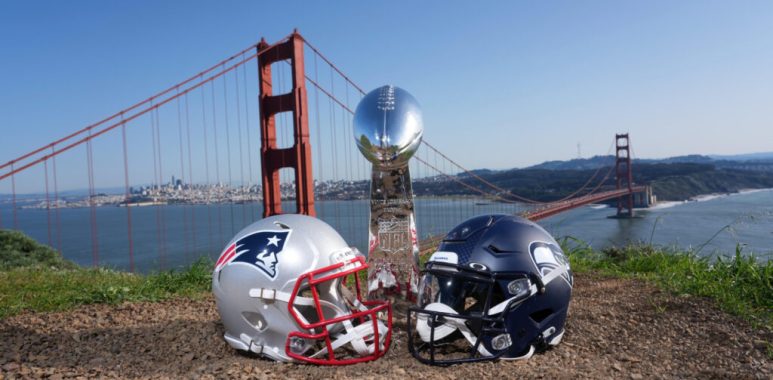
Why the Super Bowl Is Repeatedly Hosted by the Same Cities?
This article was originally published on Total Pro Sports.

The Super Bowl is one of the most-watched and most lucrative annual sporting events in the world. Yet, if you’ve ever paid attention to its location history, you’ve probably noticed a pattern: certain cities host the Super Bowl multiple times, while many others never get the chance.
From Miami and New Orleans to Los Angeles and Tampa, some venues have become near-annual landmarks for America’s biggest football show. But why does this happen?
Stadium Quality and Infrastructure Are Key
A major reason the NFL returns to certain cities is the availability of infrastructure. The league doesn’t just look for a football stadium; it seeks a world-class event ecosystem capable of handling:
- 70,000+ seat stadiums with modern amenities
- Media facilities and broadcast infrastructure
- Hotel space is sufficient for tens of thousands of visitors
- Airports and public transit to support massive travel needs
Since many cities struggle to meet all these demands, only select markets are truly viable hosts. As a result, cities with billion-dollar stadiums and excellent transportation networks, such as those in Florida and California, tend to host repeatedly.
Seven days until a champ is crowned 👀
Super Bowl LX– Sunday 6:30pm ET on NBC
Stream on @NFLPlus + Peacock pic.twitter.com/JSWdxeCqXQ— NFL (@NFL) February 1, 2026
Warm Weather and Fan Experience Matter
Another traditional factor influencing host selection is climate. Because the Super Bowl takes place in early February, holding the game outdoors in freezing or snowy conditions poses risks to the players, fans, and the television broadcast. While indoor stadiums solve this problem, not all cities have them, and many don’t meet the other criteria.
That’s why warm-weather cities like Miami, Tampa, and New Orleans have hosted so frequently.
Neutral Site and Fairness to Teams
Unlike other championship formats where the best-performing team earns home-field advantage, the Super Bowl is always played at a pre-selected neutral site. That means even if a local NFL franchise qualifies rare but not unheard of. They won’t have a true home-field edge during the game.
Historically, only a few teams such as the Tampa Bay Buccaneers and Los Angeles Rams have ever played the Super Bowl in their own stadium.
Selection Happens Years in Advance
One practical reason the Super Bowl stays in a familiar rotation is the time frame for host selection itself. Locations are chosen 3–5 years before the game.
It’s interesting to note that from 2006, only 14 cities have been previlaged to host a Super Bowl game. And they are:
- Detroit: 2006
- Miami Gardens, Florida: 2007, 2010, 2020
- Glendale, Arizona: 2008, 2015, 2023
- Tampa: 2009, 2021
- Arlington, Texas: 2011
- Indianapolis: 2012
- New Orleans: 2013, 2025
- East Rutherford, New Jersey: 2014
- Santa Clara, California: 2016, 2026
- Houston: 2017
- Minneapolis: 2018
- Atlanta: 2019
- Inglewood, California: 2022
- Paradise, Nevada (Las Vegas): 2024
Historical Trends: Cities That Host Often
Some cities have become synonymous with Super Bowl hosting:
- New Orleans has hosted more Super Bowls than any other city, with the Caesars Superdome alone hosting eight Super Bowls to date.
- Miami has hosted the game many times thanks to its warm climate and strong tourism appeal.
- Los Angeles and the Bay Area are frequent hosts due to modern stadiums and large media markets.


