

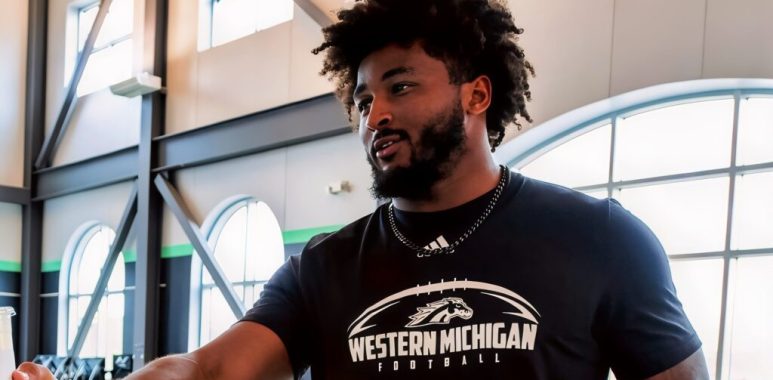
New Details About Marshawn Kneeland’s Death Reveal Uncomfortable Truth
This article was originally published on Total Pro Sports.
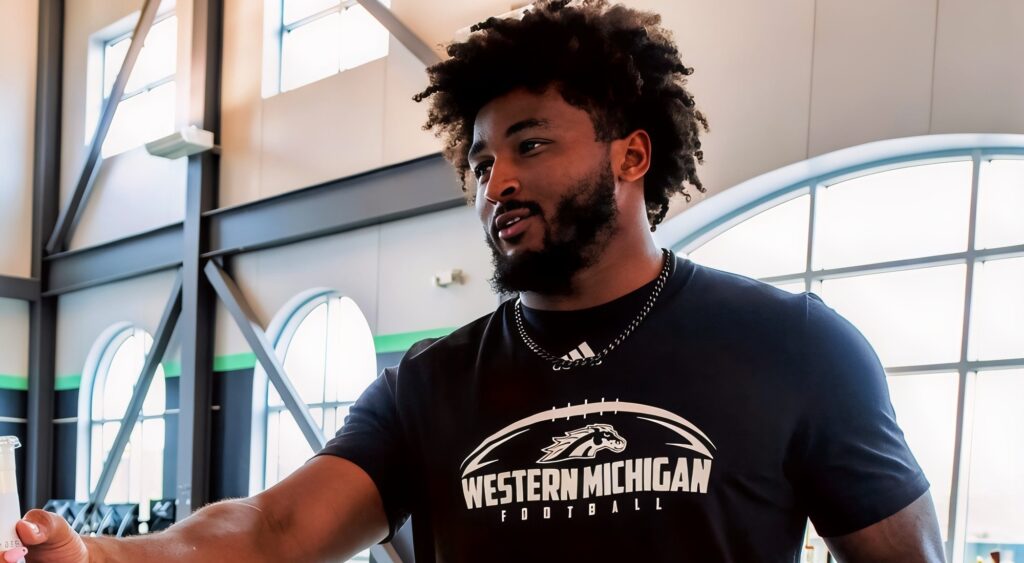
Former Dallas Cowboys defensive lineman Marshawn Kneeland has been diagnosed with Stage 1 chronic traumatic encephalopathy (CTE), months after his death at the age of 24.
The findings were released Tuesday by the Concussion & CTE Foundation. That is after researchers at the Boston University CTE Center examined brain tissue donated by Kneeland’s family. Stage 1 is the earliest level on the four-stage CTE scale.
CTE is a degenerative brain disease associated with repeated head impacts. It can only be diagnosed after death through a neuropathological examination of brain tissue. Researchers continue working toward methods that could identify the disease during a person’s lifetime.
“Unfortunately, I was not surprised to find CTE in the brain of Mr. Kneeland,” Boston University CTE Center director Dr. Ann McKee said (H/T ProFootballTalk).
McKee noted that researchers have identified the disease in nearly half of the athletes they have studied who died before turning 30.
Marshawn Kneeland’s Family Looks To Raise Awareness
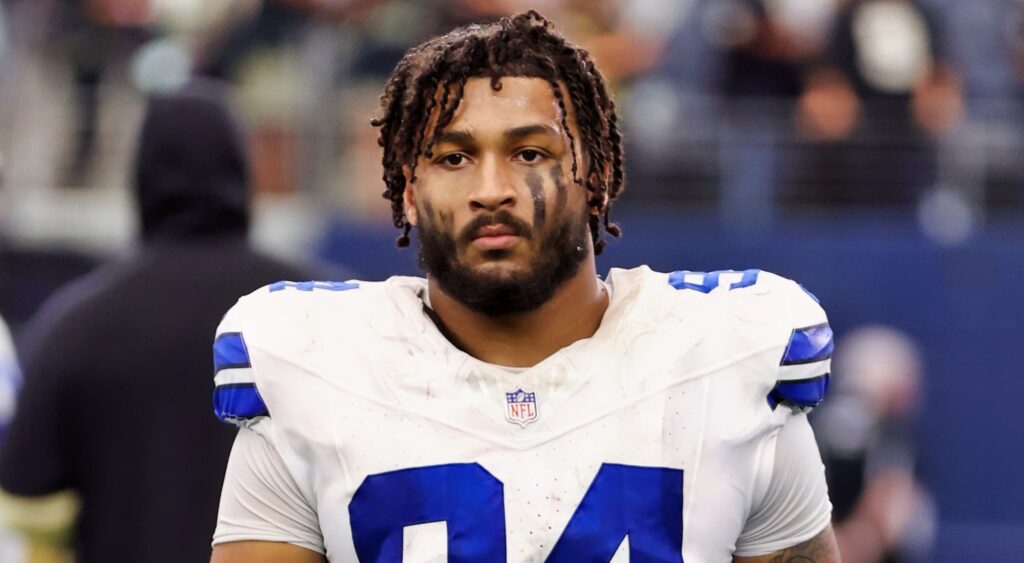
Kneeland entered the NFL as the 56th overall pick in the 2024 NFL Draft after starring at Western Michigan. He appeared in 18 career games for Dallas, making four starts. Just days before his death, he recovered a blocked punt for his first NFL touchdown against the Arizona Cardinals.
The Concussion & CTE Foundation said Kneeland played during an era of improved helmets and concussion protocols. However, CEO Dr. Chris Nowinski said those measures do not eliminate the risk of CTE because the disease is linked to repeated head impacts rather than diagnosed concussions alone.
Kneeland’s girlfriend, Catalina Mancera, said the diagnosis provides “important context” about some of the challenges he may have faced. She emphasized that his family wants him remembered for the person he was rather than the circumstances of his death.
“We share this information to help people understand what NFL and other high contact sport athletes might be struggling with. Raising awareness is important to us. We continue to remember Marshawn with compassion for the person he was, rather than defining him by the final moments of his life.”
The foundation also stressed that suicide is complex and multifactorial. It said a post-mortem CTE diagnosis should not be viewed as the cause of a person’s death or as an established risk factor for suicide.


